How is AI Replacing Jobs in 2026: Things You Need to Know
Editor:
Aniket Pandey
on Mar 31,2026
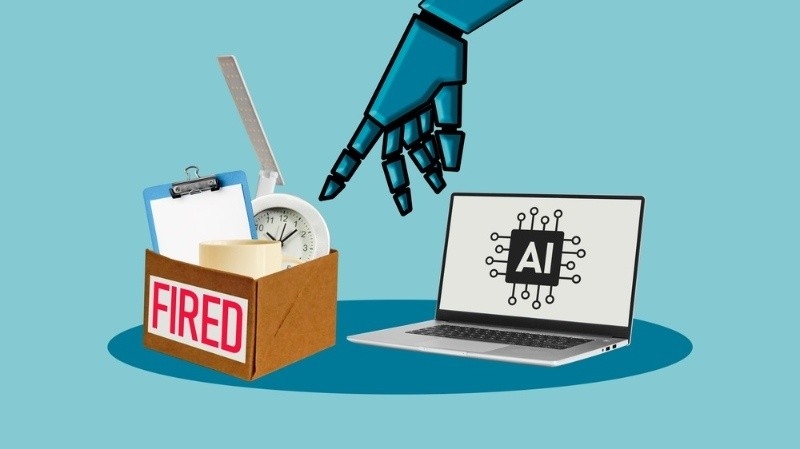
AI replacing jobs 2026 is not just a headline anymore; it is something people are already noticing in their daily work. Tasks are changing, roles are shifting, and expectations feel different now. The future of work USA is moving in a new direction, and AI job trends are quietly shaping that shift.
This blog will help you understand how AI is replacing jobs 2026. It will also cover the top AI job trends in 2026 and tips for reskilling for AI.
Must Read: AI Features In Smartphones: How AI Changes Your Mobile Life
How AI is Changing the Future of Work USA?
Walk into any modern workplace today, and the difference is clear. Work is moving faster, decisions are taken quicker, and fewer people are doing tasks that once needed full teams. It does not feel dramatic at first, but over time, the change becomes obvious.
The future of work USA is leaning toward efficiency. Systems now handle tasks that follow patterns. This includes sorting data, answering simple queries, and even assisting in decision-making. Workers are no longer expected to spend hours on repetitive work. Instead, they are expected to think, adjust, and solve.
This shift has also changed how teams are built. Companies are not just hiring for roles anymore; they are hiring for skills. One person might handle multiple responsibilities, supported by tools that do the heavy lifting.
Top 3 AI Job Trends in 2026
The top 3 AI job trends of 2026 are explained in the following list:
1. Routine Work is Slowly Disappearing from Daily Roles
Tasks that follow the same steps every day are being handled by systems. This does not happen overnight, but once it starts, the shift becomes permanent. Workers who depended on routine tasks are now expected to move toward more flexible roles.
2. Roles are Becoming More Skill-Driven than Title-Driven
Job titles are not as important as they used to be. What matters now is what a person can actually do. Skills are becoming the real currency in the workplace, and this shift is changing how people present themselves professionally.
3. People Work Alongside Systems
Instead of replacing every role, many systems are becoming tools that support human work. This creates a new kind of role where people guide, monitor, and improve the output of these systems.
Top Pick: The Ultimate Guide For OLED Laptops for Every Need Today
Understand How Automation Impact Careers
You can refer to the following list to understand how automation impacts careers:
1. Small Tasks are Replaced
Things like organizing information or handling simple requests. These changes feel helpful, even convenient. But over time, more tasks are added to that list. Slowly, the role itself starts to change.
2. Career Planning
A role that once felt stable may not feel the same anymore. People are now thinking in shorter time frames. They focus on what they can do next, rather than what they will do for years.
3. Creates a Gap
Some people adapt quickly and move ahead. Others struggle to adjust and feel left behind. This gap is not always about talent; it is often about awareness and willingness to learn.
How is AI Replacing Jobs in 2026: Step-by-Step
The way jobs are being replaced is not random. There is a pattern, and once it is understood, the changes feel less surprising. It is a slow process, but it builds over time.
1. Spotting Tasks that Follow Fixed Patterns
The process begins by identifying work that does not change much. Tasks that follow the same steps every time are easier to replace. These tasks are usually the first to be affected.
2. Introducing Systems
Once identified, systems are introduced to handle these tasks. At first, they assist human work. Over time, they start handling the work independently, reducing the need for constant human input.
3. Reducing Human Involvement Gradually
As systems become reliable, fewer people are needed for those tasks. Roles are adjusted, and responsibilities shift toward more complex work that cannot be easily replaced.
4. Creating New Roles
New roles begin to appear. These roles focus on managing systems, improving their output, and ensuring they work correctly. These are not the same as the roles that existed before.
5. Changing How Teams and Roles are Structured
The entire structure of work changes. Teams are becoming smaller, and the roles are becoming broader, with expectations going up. This is where the full impact becomes visible.
Jobs at Risk AI: Which Roles Are Most Affected
Some roles are more exposed to change than others. It often depends on the type of work involved rather than the industry itself.
Jobs at risk of AI usually include roles that depend on repetition. These roles involve tasks that follow clear steps and do not require much variation. Once these tasks are understood by systems, they can be handled more efficiently.
Clerical work, basic customer handling, and simple operational roles are among the most affected. These roles rely on consistency, which makes them easier to replace.
The rise of AI has also shown that roles that involve human understanding and creative thinking are harder to replace. These roles still rely on human presence in a way that systems cannot fully match.
Practical Tips for Reskilling for AI
Reskilling for AI sounds like a big task, but it does not have to be overwhelming. Small steps, taken consistently, can make a real difference over time.
1. Focus on Skills that are Hard to Replace
Skills such as communication and problem-solving are still important. These are required in almost every job and are not easily machine-automatable. Developing these skills will help create greater stability over time.
2. Understand the Basics of Digital Tools
It is no longer possible to turn a blind eye to technology. Even basic jobs require some level of proficiency in tools and systems. The difference it will make is significant.
3. Take Learning One Step at a Time
There is no need to rush. Learning a little at a time is better than trying to learn everything at once. This will also help avoid confusion and stress.
Conclusion
AI replacing jobs 2026 is not a sudden disruption; it is a steady shift that is already underway. Work is changing, expectations are evolving, and roles are being redefined. Those who stay aware, keep learning, and adapt to change will find their place in this new work environment.
Frequently Asked Questions
1. How quickly is AI replacing jobs in 2026?
This change is not instant. Instead, you can refer to it as gradual. Some sectors may be moving faster than others. It is important to note that those employees who remain attentive to the changes and continually learn new skills have enough time to adapt without any disruption.
2. Which jobs are most at risk due to AI?
Jobs with repetitive activities are the ones at greater risk. Repetitive activities include jobs with set steps. Those jobs with creativity, human interactions, and decision-making processes are less likely to be impacted.
3. Why is reskilling important today?
Learning for AI is important because it enables the employee to remain relevant to the changing job roles. It is important to note that learning is becoming the new norm to maintain job stability.
This content was created by AI